
Clean River Partners invites you to join us for the 9th Downstream Environmental Film Festival, a celebration of art, storytelling, and environmental action.
This year’s theme—“Transformation”—reflects the powerful ways water reshapes our landscapes, the ongoing changes within our environment, and the creativity required to adapt when our resources are limited. Through this lens, we’ll explore how communities, ecosystems, and individuals evolve in the face of environmental challenges.
Featuring a dynamic selection of films from local, national, and international filmmakers, the Downstream Environmental Film Festival highlights the interconnectedness of art and advocacy. Each film sheds light on critical issues such as water quality, conservation, and sustainability—topics that may seem distant but have deep roots in our own backyards.
More than just a film series, the festival is a space for conversation and connection. Together, we’ll celebrate creativity, spark dialogue, and inspire action toward a more resilient and sustainable future.
Join us this February as we move downstream together—toward understanding, transformation, and change.
Can’t make it on this date? No problem! We’re screening the film again in Northfield on February 9 and February 10, in Cannon Falls on February 17, and in Faribault on February 17.
Accessibility Information
Accessible parking
Accessible entrance
Accessible bathrooms
Special Guest Announcement
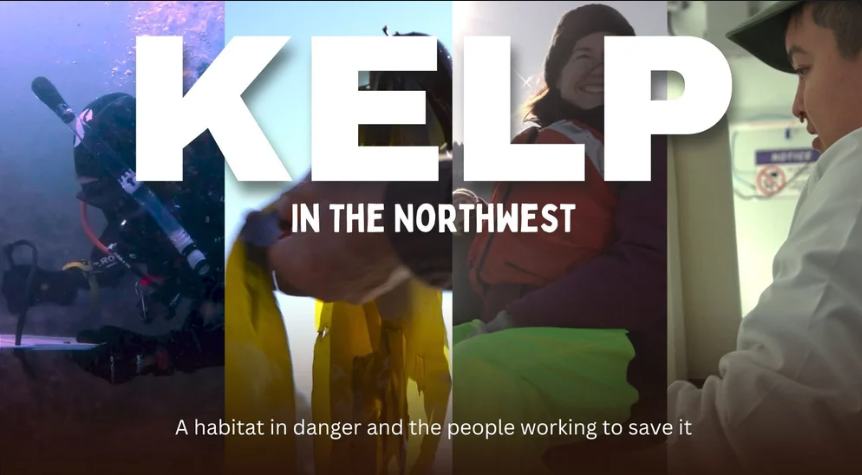
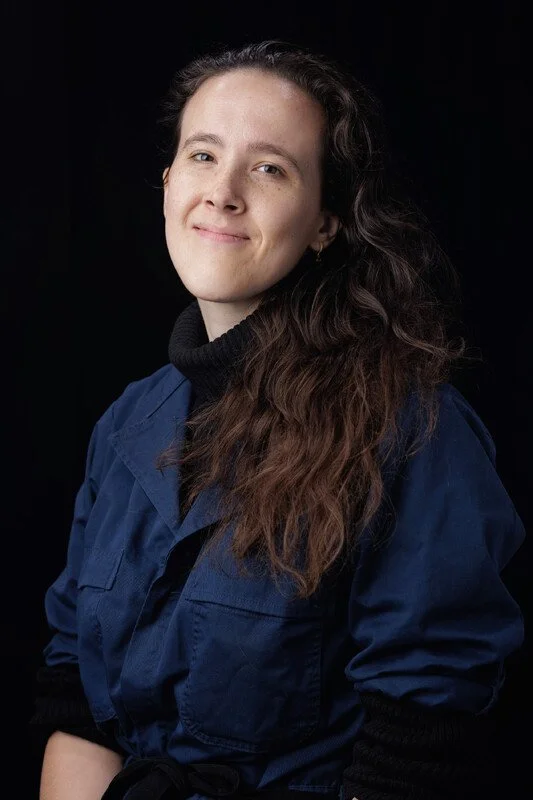
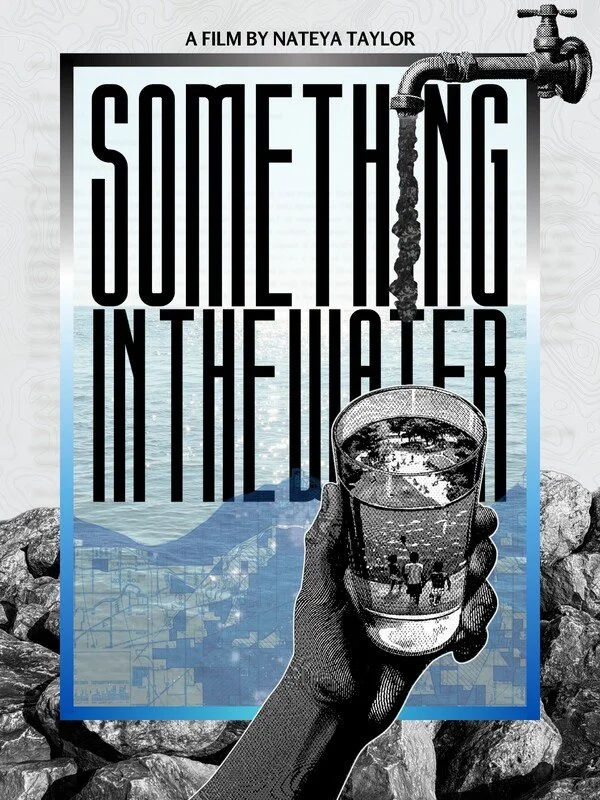
At this screening, we’ll be joined by Anna Lueck (film director) from Kelp in the Northwest and Nateya Taylor (film director), Katie Doss, and Richard Diaz (film subjects) from Something in the Water, two of the seven films chosen for the festival.
Anna Lueck is a documentary producer and editor who tells stories about the people and communities working toward a better world. She began her career at Brooklyn’s BRIC TV, where she helped produce videos on local social justice issues from climate activism to gun violence interruption and won a New York Emmy for "Los Deliveristas Unidos: How Food Delivery Workers Are Organizing For Better Conditions." She returned to her home region of the Pacific Northwest in 2020 to freelance, and recently graduated from University of Oregon's multimedia journalism program. She is particularly interested in stories about environmental justice and marine science, and frequently collaborates with conservation and outdoor education organizations. Anna was also a participant in the Redford Center's Nature Connection Pitch in 2024, hosted in collaboration with IF/Then Shorts and Mountainfilm.
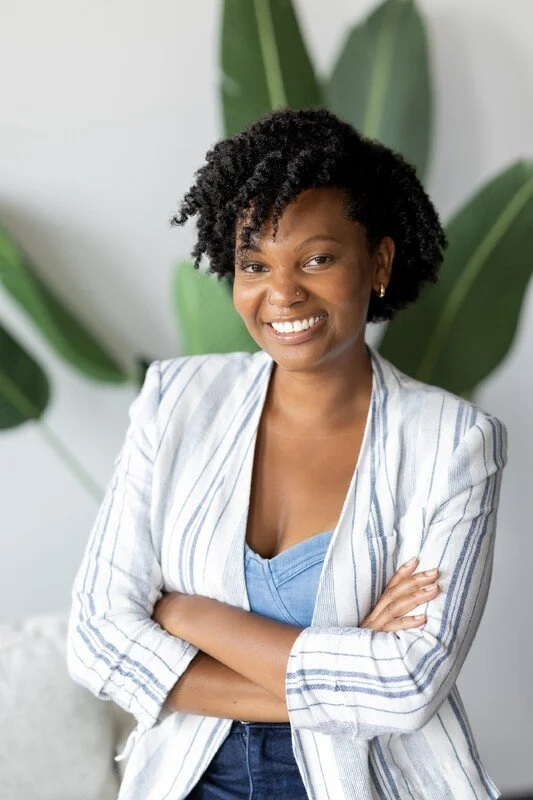
Nateya Taylor is a multimedia storyteller based in Milwaukee, WI. As a strong advocate for health equity and Black liberation, her artistic practice intersects film, photography, and creative writing to shed light on Black history, Black culture, Black wellness, and Black experiences, to challenge institutionalized and internalized anti-blackness, and to reveal the multifacetedness of Blackness.
She holds a M.S. in Urban Studies from the University of Wisconsin-Milwaukee and a B.A. in Criminal Justice from Carthage College where her research focus was residential segregation, Black geographies, and Black resistance. She incorporates her academic expertise into her artistic practice to tell informative and educational stories.
She also has years of community engagement and organizing experience. She has and continues to work with non profit organizations whose work is rooted around criminal justice reform and abolition in Milwaukee, WI.
Nateya is also the founder of Naesthetycs, an emerging and evolving multimedia production company that aims to use authentic storytelling and aesthetics as a catalyst to ignite the activist in viewers and shift public policy to create more equitable futures for Black folks and other marginalized groups.
Questions about the event?
Contact Jennifer Tonko (she/her), our Executive Director
Email: jennifer@cleanriverpartners.org
Phone: (507) 786-3913 ext. 1
Huge thanks to our event supporters!


This activity is made possible by the voters of Minnesota through a grant from the Minnesota State Arts Board, thanks to a legislative appropriation from the arts and cultural heritage fund.